SUMMARY
Abstract
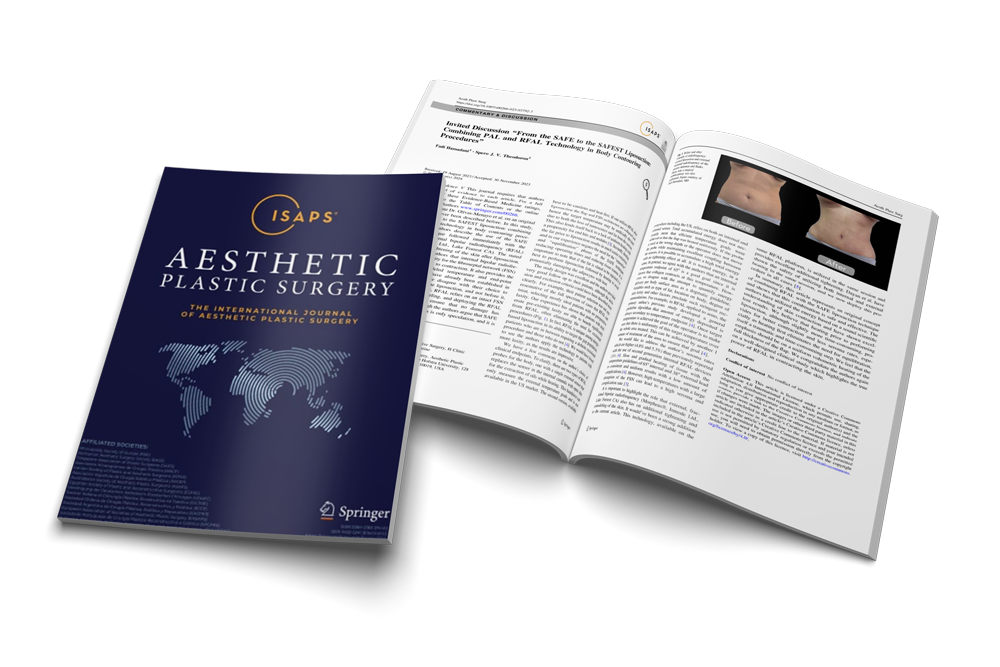
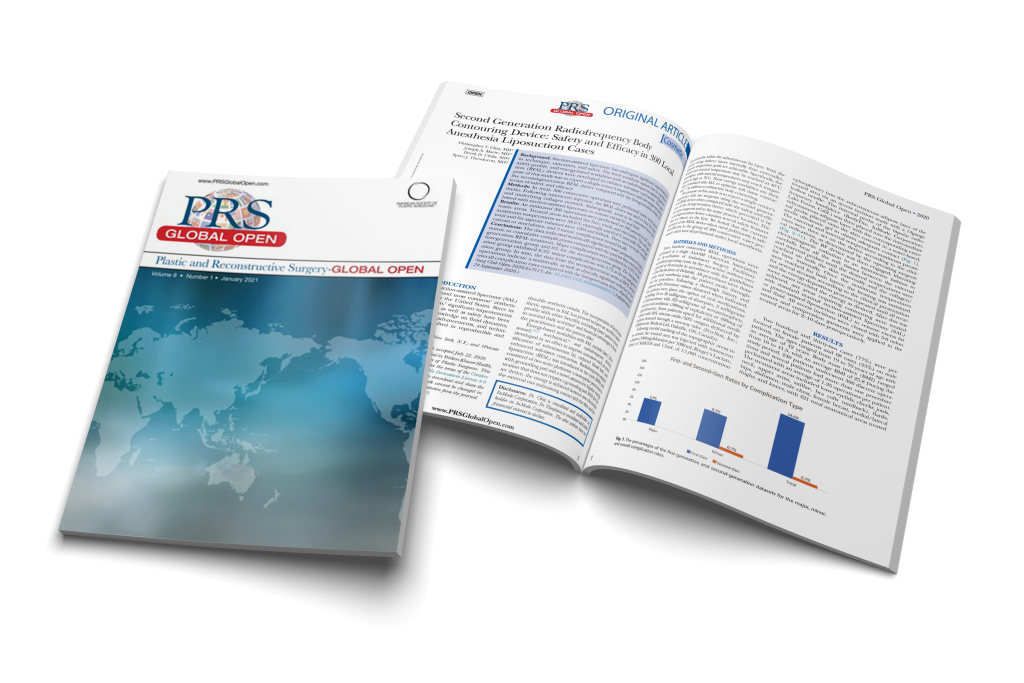
This study evaluates the safety and efficacy of a second-generation radiofrequency-assisted liposuction (RFAL) device compared to its first-generation counterpart. It aims to determine whether advancements in RFAL technology result in reduced complication rates and improved patient outcomes during liposuction procedures performed under local anesthesia.
Conslusion
The study concludes that the second-generation RFAL device significantly reduces both major and minor complication rates compared to the first-generation device. Specifically, major complications decreased from 6.25% to 0%, and minor complications from 8.3% to 0.7%. These findings suggest that the second-generation RFAL device offers a safer and more effective option for body contouring procedures under local anesthesia. The integration of InMode technologies further enhances treatment outcomes, providing clinicians with advanced tools for patient care.
TOPICS COVERED
- Comparison of first- and second-generation RFAL devices in clinical settings
- Analysis of complication rates associated with each device generation
- Assessment of procedural outcomes across various anatomical areas