SUMMARY
Abstract
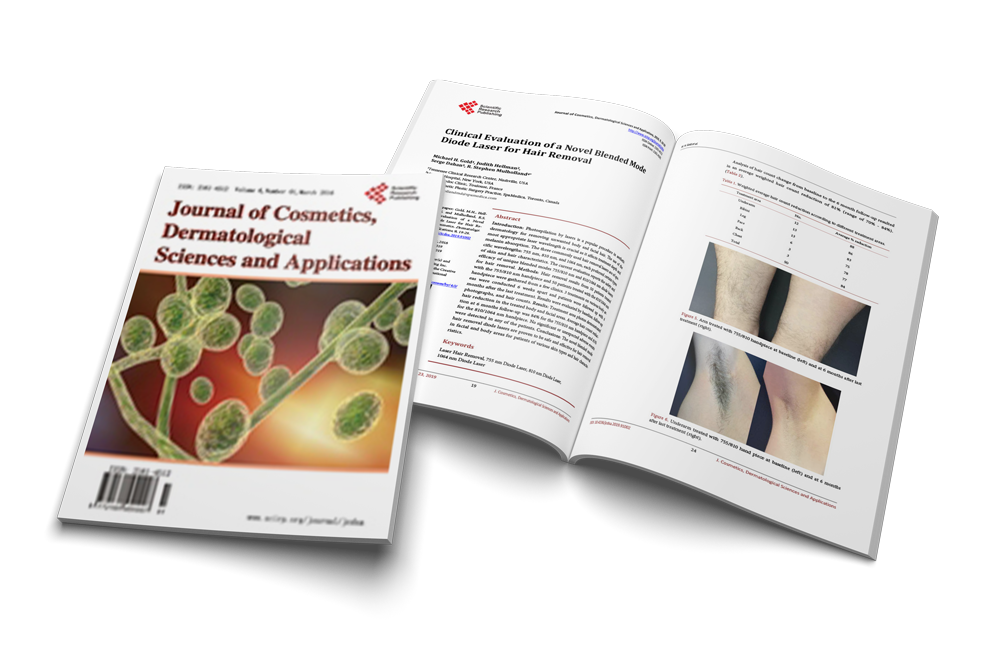
Laser hair removal relies on selective photothermolysis, with wavelength selection playing a critical role in efficacy and safety. Traditional single-wavelength lasers (755 nm, 810 nm, 1064 nm) each serve specific patient and hair characteristics, but limitations remain, particularly for darker skin types and finer hair. This clinical study assessed the InMode Triton/DiolazeXL diode laser system using blended wavelength handpieces (755/810 nm and 810/1064 nm) to optimize both penetration depth and melanin absorption for a wider range of patients.
Conclusion
The multicenter evaluation of 100 patients demonstrated that blended mode diode lasers achieve significant hair reduction—84% with 755/810 nm and 81% with 810/1064 nm—at six months post-treatment, with no severe adverse events. These findings confirm that blended wavelength diode lasers are both safe and highly effective for long-term hair removal across diverse skin types, enabling tailored treatments and improved patient outcomes.
TOPICS COVERED
- Evaluation of InMode Triton/DiolazeXL blended diode laser technology
- Comparison of 755/810 nm and 810/1064 nm handpieces
- Hair removal outcomes across various skin types (II–VI)
- Photographic documentation and hair count analysis
- Safety assessment and adverse event monitoring
- Discussion on optimization of laser hair removal protocols