SUMMARY
Abstract
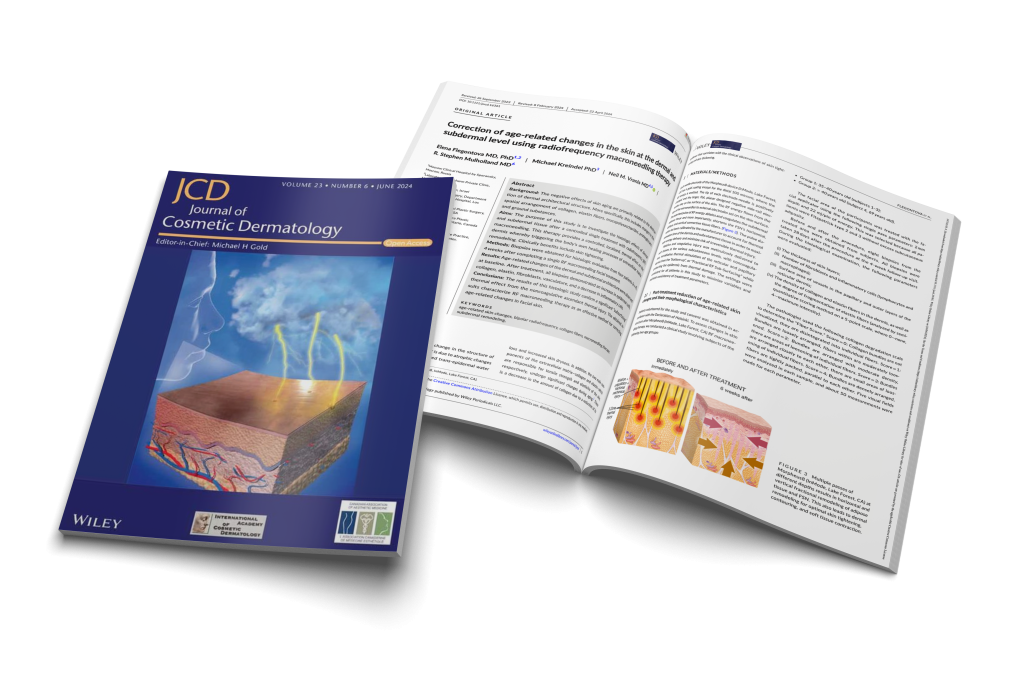
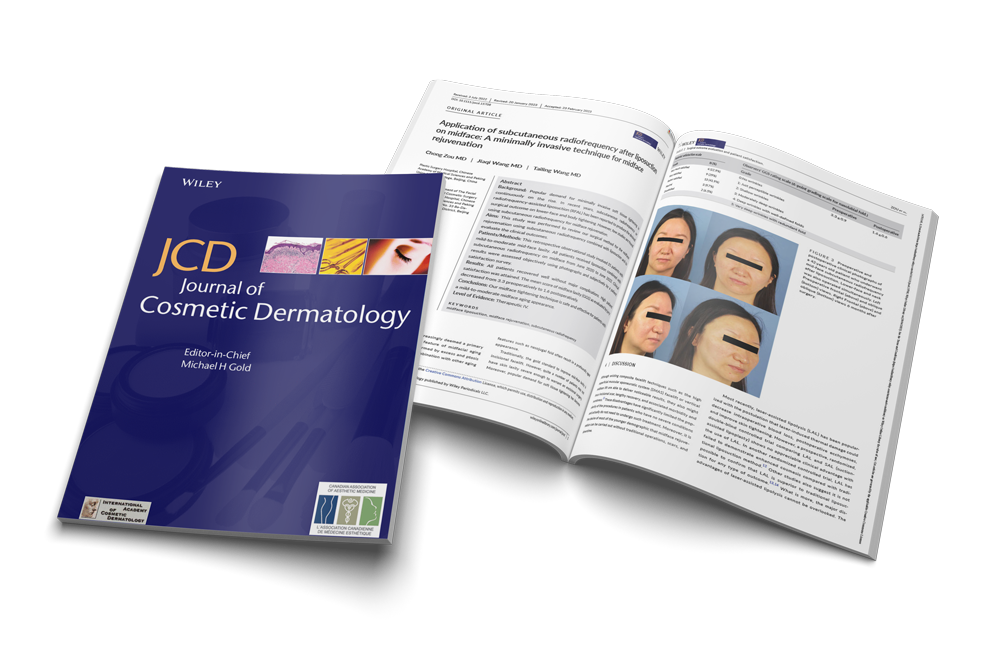
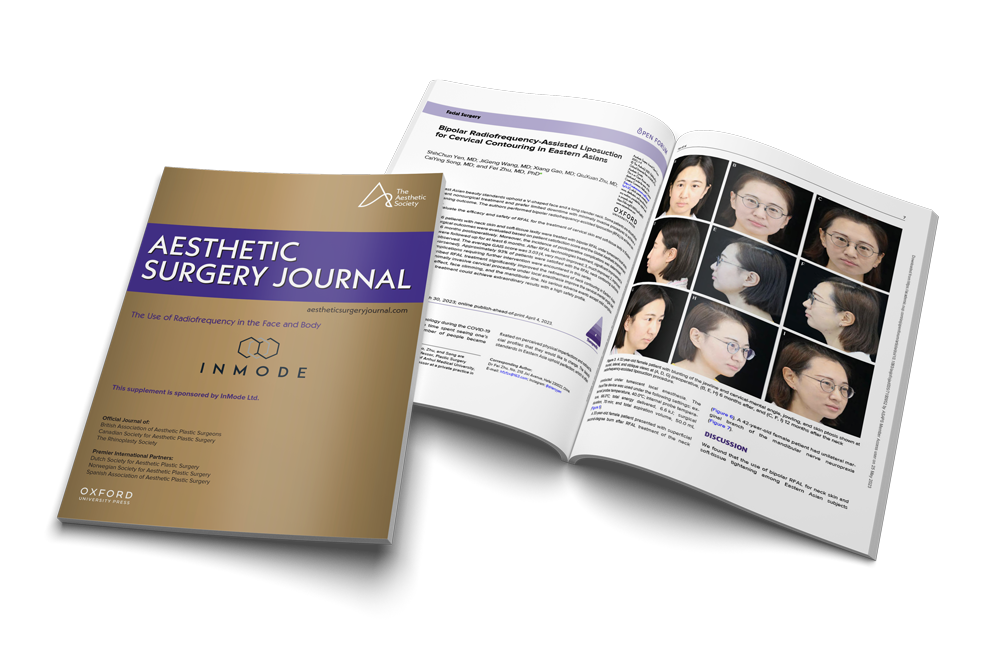
This study reviews the evolution of ancillary procedures used alongside facelift surgery. While traditional facelifts address skin excess and SMAS repositioning, they offer limited improvement in skin quality and fixed zones such as the perioral and periorbital regions. To bridge this gap, adjunctive modalities including dermabrasion, chemical peels, ablative lasers, and radiofrequency-based treatments have been incorporated. Among these, minimally invasive RF technologies such as Morpheus8 and FaceTite have gained prominence for their ability to tighten skin and stimulate collagen with minimal downtime.
Conclusion
Over nearly five decades of clinical practice, the demand for safer procedures with faster recovery has led to a decline in the use of ablative lasers and dermabrasion, with chemical peels also waning. Morpheus8 and FaceTite have emerged as the most effective and widely adopted adjuncts in facelift surgery, offering reproducible outcomes, improved patient satisfaction, and reduced recovery times. These RF technologies are now central to modern facial rejuvenation protocols and represent the future direction of ancillary facelift treatments.
TOPICS COVERED
- Role of Morpheus8 RF microneedling in improving skin quality after facelifts
- Application of FaceTite for skin tightening and fat coagulation during facelifts
- Use of AccuTite in precise areas such as the nasolabial folds
- Comparison of traditional resurfacing methods vs. modern RF technologies
- Evolution of patient demand toward minimal downtime and safer procedures
- Integration of RF adjuncts with facelift surgery for enhanced long-term outcomes