SUMMARY
Abstract
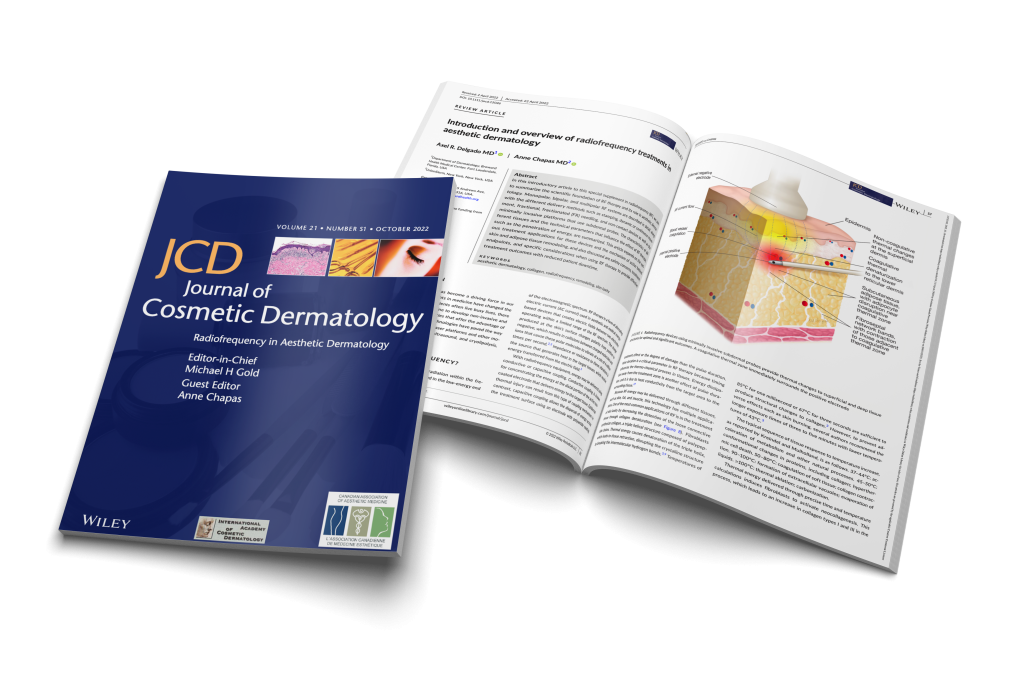
This review outlines the evolution of minimally invasive fractional radiofrequency (FRF) platforms, focusing on their role in skin rejuvenation and tightening. Devices like Fractora (InMode) utilize microneedle electrodes to deliver controlled thermal injury, stimulating collagen, elastin, and hyaluronic acid regeneration. Clinical studies confirm that FRF improves wrinkles, scars, and laxity with minimal downtime, offering a non-surgical alternative to laser resurfacing or facelifts.
Conclusion
Minimally invasive fractional RF, particularly with Fractora, is a proven, safe, and effective option for skin rejuvenation. It combines ablative and non-ablative effects to remodel tissue, induce neocollagenesis, and deliver lasting aesthetic improvements. The technology stands out for its safety across skin types, reproducibility of results, and ability to minimize risks compared to more invasive procedures.
TOPICS COVERED
- Mechanism of fractional RF microneedling with Fractora
- Histological evidence of collagen and elastin regeneration
- Comparisons of energy delivery at different dermal depths
- Clinical data on wrinkle and laxity improvement
- Safety, anesthesia, and patient comfort during treatment
- Advantages of FRF over surgical facelifts and traditional resurfacing