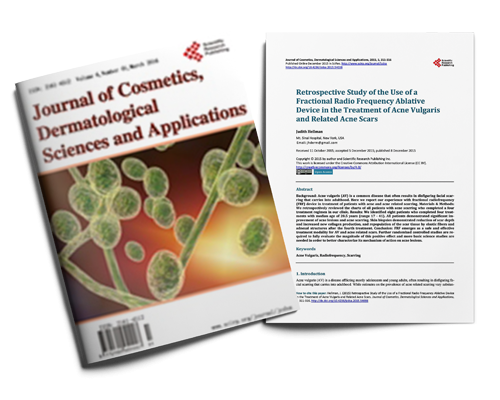
SUMMARY
Abstract
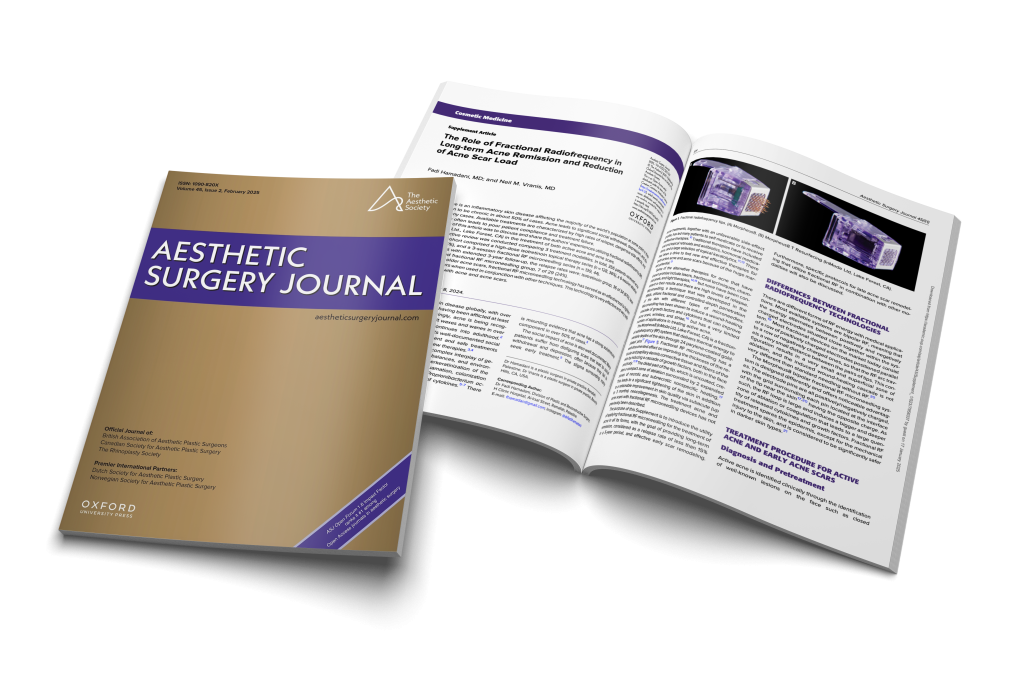
Acne vulgaris is one of the most common dermatologic diseases and often results in long-term scarring. This retrospective study reviewed eight patients (ages 17–41) who completed four treatment sessions with a fractional radiofrequency (FRF) ablative device (Fractora, InMode). All patients showed significant improvement in active acne and acne-related scarring. Skin biopsies revealed scar depth reduction, new collagen formation, repopulation of adnexal structures, and increased elastic fibers following treatment.
Conclusion
Fractional RF treatment (Fractora) emerges as a safe and effective therapy for acne vulgaris and acne scars, achieving significant scar remodeling and improvement in active lesions with minimal downtime. Results indicate reduced scar thickness, increased dermal regeneration, and overall improved skin quality. Larger randomized controlled studies are recommended to further validate these promising findings.
TOPICS COVERED
- Use of Fractora fractional RF for acne and scar treatment
- Histologic improvements: scar depth reduction, collagen, and elastin regeneration
- Simultaneous improvement in active acne and atrophic scars
- Benefits for younger patients with early acne scarring
- Safety profile across multiple Fitzpatrick skin types
- Minimal downtime compared to ablative lasers or surgery